customer stories
McElroy University Extended Enterprise Learning Case Study
See how McElroy University built a gold-standard extended enterprise learning program using Pifini Learn — scaling from 7 to 75 courses with 465% enrollment growth.
Summary
McElroy did not set out to digitally transform training. They set out to solve a practical problem: too many customers and partners needed training, too quickly, and the old model required a plane ticket to Oklahoma. By shifting McElroy University to a hybrid approach, online learning paired with hands-on training, McElroy made training dramatically more accessible, improved consistency across a growing instructor network, and expanded its catalog from a handful of in-person classes to roughly 75 offerings.
The result was significant growth in engagement, reach, and qualifications issued. The Pifini Learn LMS helped make the system scalable, flexible, and resilient as demand continued to grow.
Table of Contents
About McElroy
Building the Gold Standard for Extended Enterprise Learning
What Was the Challenge?
Where the Pifini Learn LMS fit
How Did McElroy University Solve the Challenge?
From 7 courses to 75
What Challenges Emerged and How Were They Solved?
The Training Network That Never Sleeps
What Impact Did the Program Have?
What’s Next?
Key Takeaways
FAQS
Ready to transform partner and sales enablement?
About McElroy
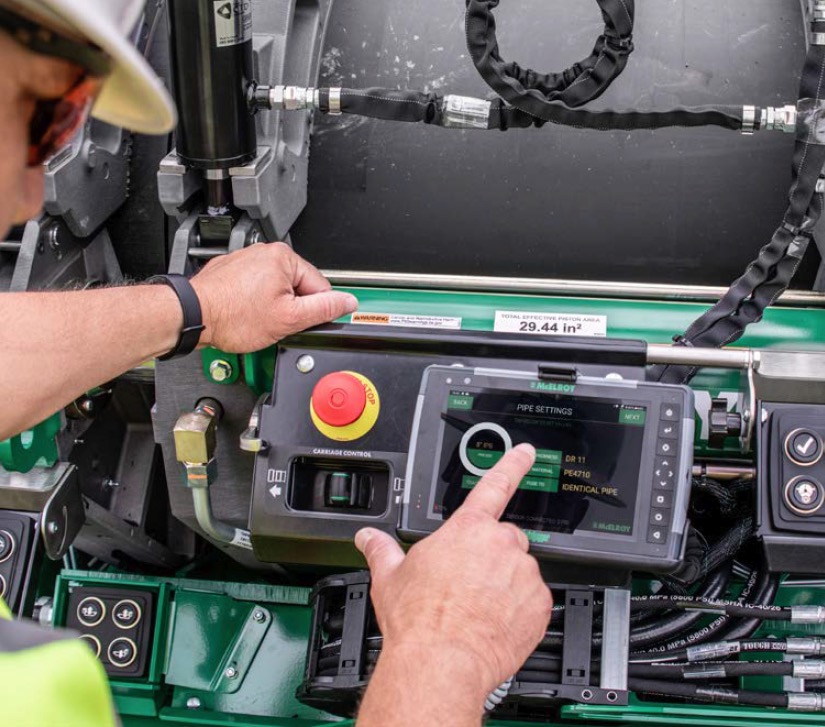
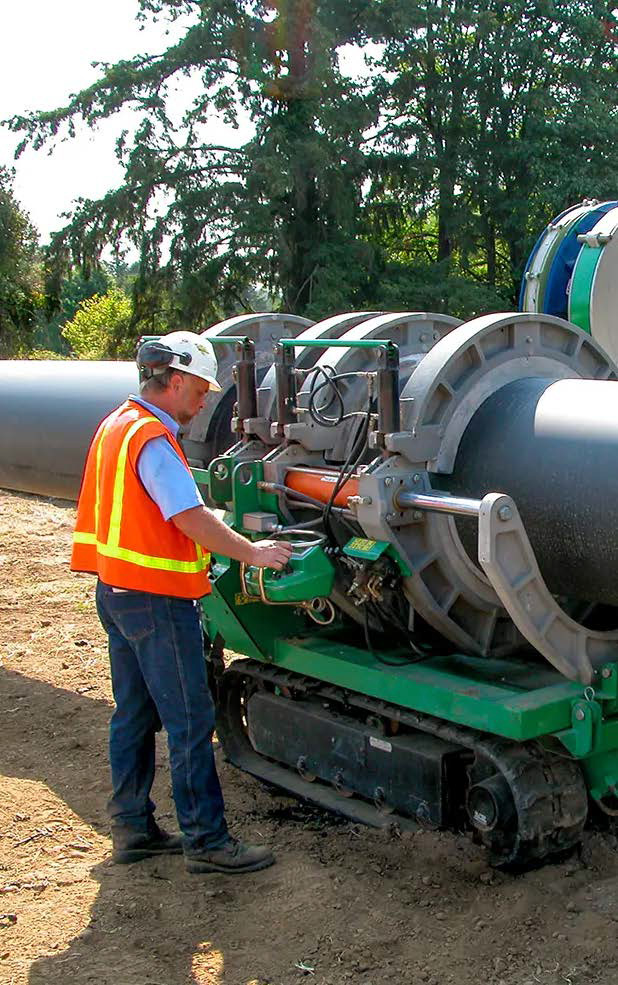
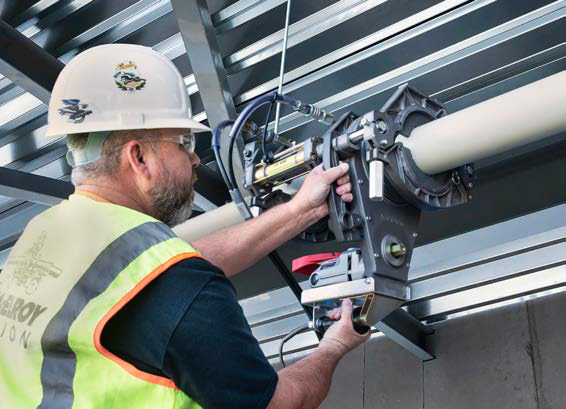
McElroy is a privately held manufacturer based in the Tulsa, Oklahoma area, founded in the 1950s. The company is widely recognized as a global leader in equipment for joining thermoplastic pipe used in applications such as gas, water, and sewer infrastructure. McElroy also produces machinery for finned tube and heat exchanger manufacturing. With 500 employees and a global distributor network, McElroy relies on McElroy University as the central hub for educating thousands of partners, customers, and employees worldwide.
Building the Gold Standard for Extended Enterprise Learning
How McElroy University created a bestin-class learning program for partners, customers, and the broader industry
What Was the Challenge?
The business conditions and needs that pushed McElroy University to evolve beyond in-person training.
From 1981 to roughly 2016, McElroy University delivered training almost entirely in person, primarily at its Tulsa, Oklahoma facility, with occasional on-site sessions as time and staffing allowed. While content evolved, the delivery model remained unchanged.
As demand grew, that model began to strain.
Paul Brodsky, McElroy University Manager, identified three key pressures:
- Accessibility: Learners needed options beyond fully in-person training.
- Scalability and consistency: As distributors became certified instructors, consistent messaging became critical.
- Efficiency: A two-day class often required four days away from the field due to travel.
One story captured the issue: contractors would wait until after winning a job to seek training, leading to last-minute requests—sometimes late Thursday— for a Monday start. The need was real, but the model couldn’t keep up.
As the dominant U.S. manufacturer of plastic pipe fusion equipment, McElroy saw training as essential—not just for safe, effective use, but also to support product adoption.
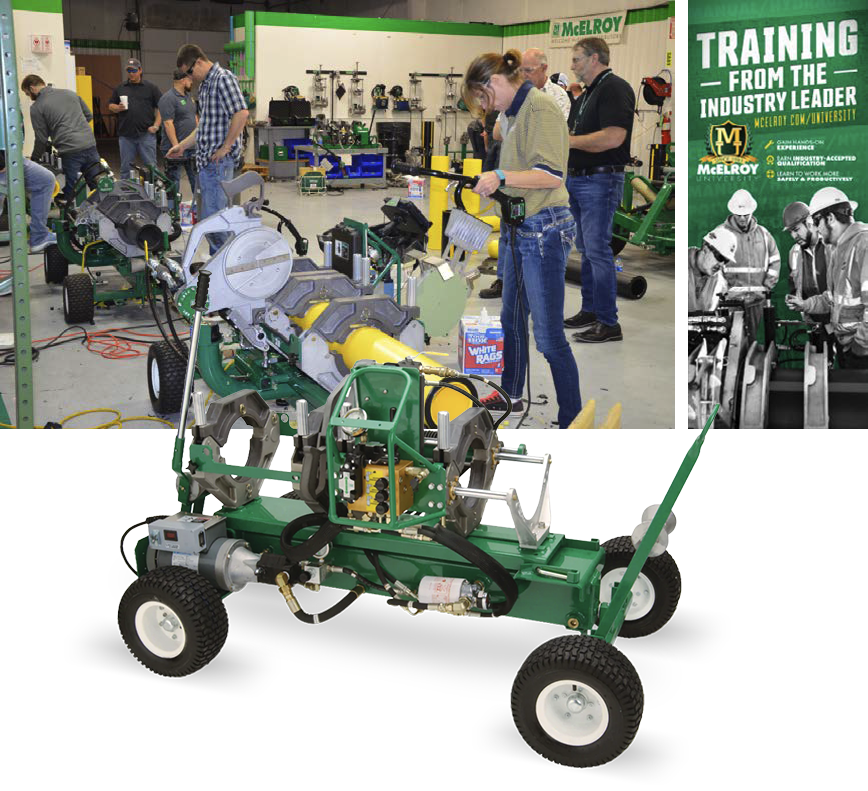
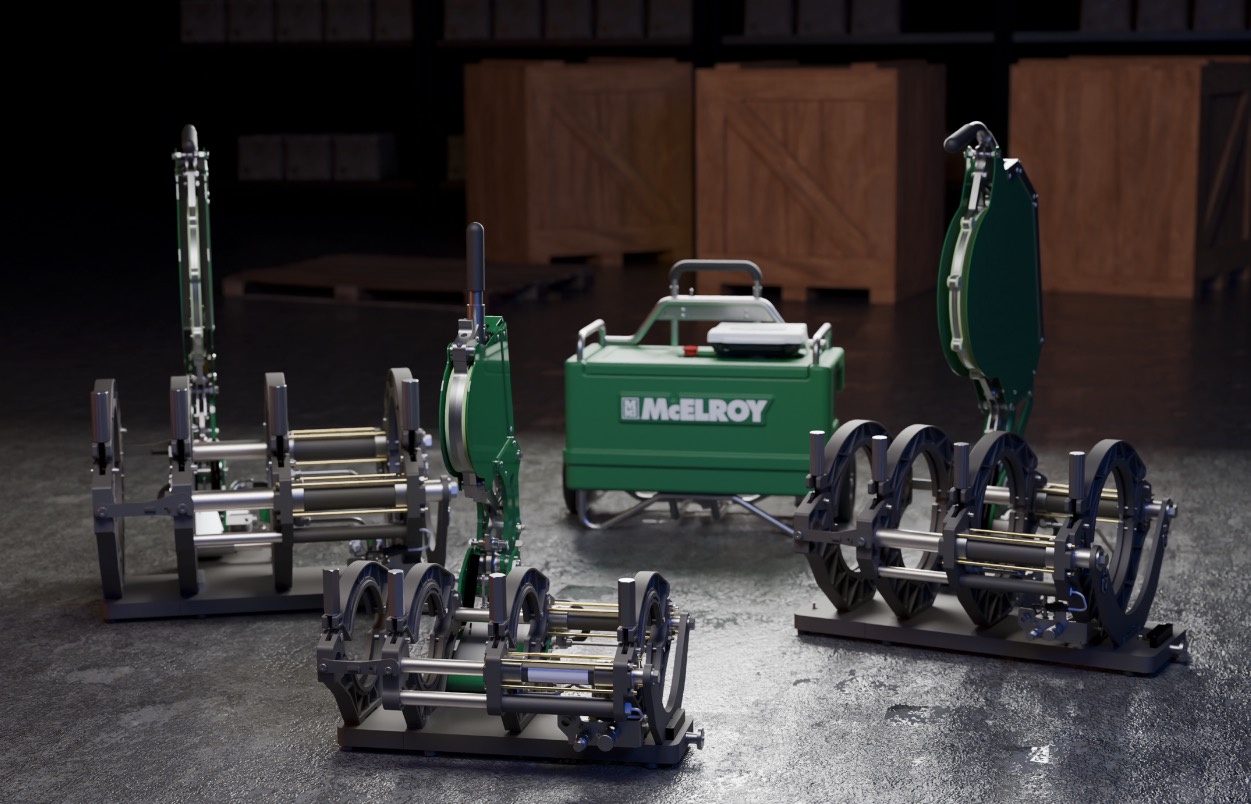
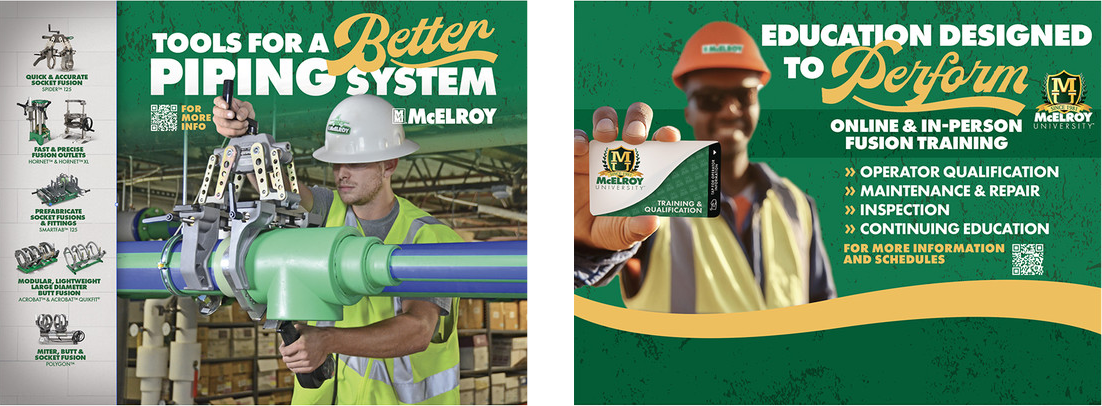
McElroy Rolling 28
Fusion Machine Package

“Contractors were notorious for not making training a priority and then waiting until the last minute before even inquiring.”
Paul Brodsky, McElroy University
Where the Pifini Learn LMS fit
McElroy University already had an LMS, but it was a lower-tier system that could not support what they were building. They needed an enterprise-grade platform that could flex with unpredictable external demand, support customization, and avoid locking them into a rigid model. Paul pointed to several deciding factors for choosing Pifini: flexible pricing aligned to external learners, reasonable implementation costs, the ability to customize, and a support team that consistently followed through.
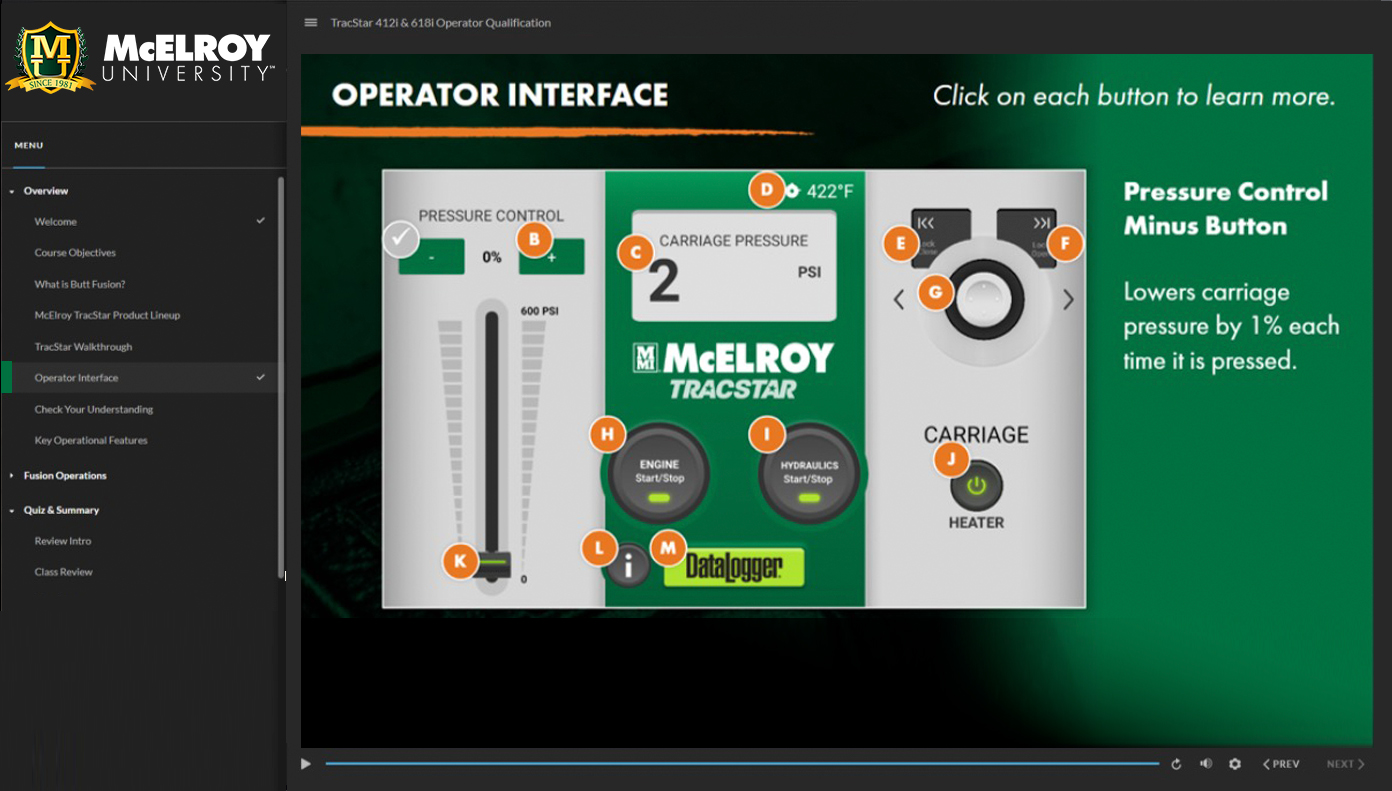
“We looked at many other systems, and after more than seven years, we’ve never felt compelled to re-evaluate that decision.”
Paul Brodsky, McElroy University
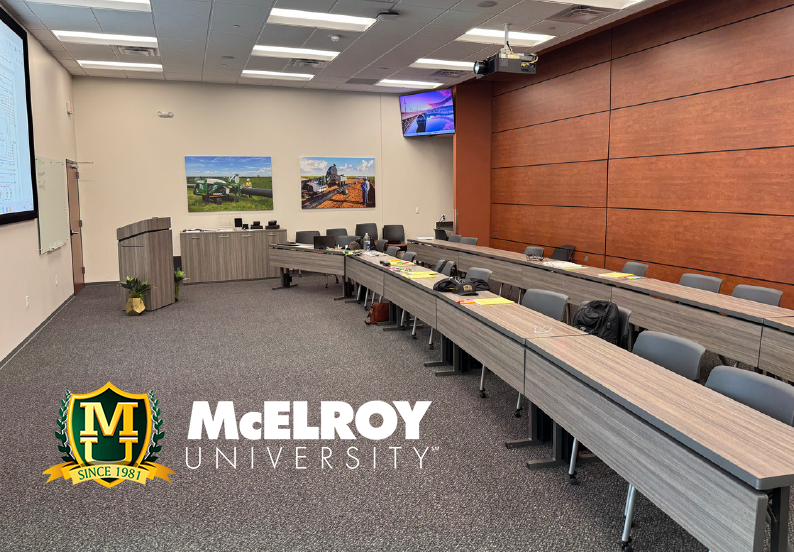
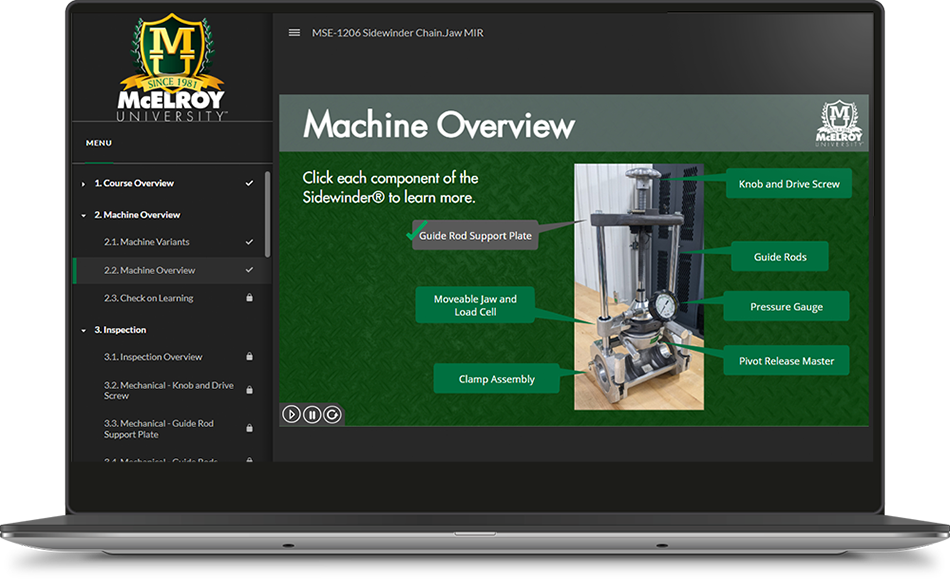
McElroy University is McElroy’s training organization, established in 1981. It provides education and qualifications for distributors, contractors, equipment owners, inspectors, engineers, and other industry audiences. What began as a primarily in-person program has evolved into a hybrid learning ecosystem with online courses, hands-on training, certified instructors, and a rapidly expanding course library.
How Did McElroy University Solve the Challenge?
How McElroy University created a best-in-class learning program for partners, customers, and the broader industry
McElroy University didn’t try to put everything online. Instead, they started by identifying the part of training that made the most sense to move first: the lecture. If a half day was spent in a classroom walking through slides and explanations, that material could be delivered online. That freed in-person time for what mattered most: hands-on instruction. This shift delivered immediate benefits:
- Shorter in-person sessions
Even saving half a day reduced travel and downtime. - Self-paced learning
Students could move through material at their own speed. - Consistency
Every student received the same foundational instruction. - Level-setting
Experienced and new learners arrived with shared baseline knowledge. - Repeatability
Once the pattern worked, it could be applied again and again.
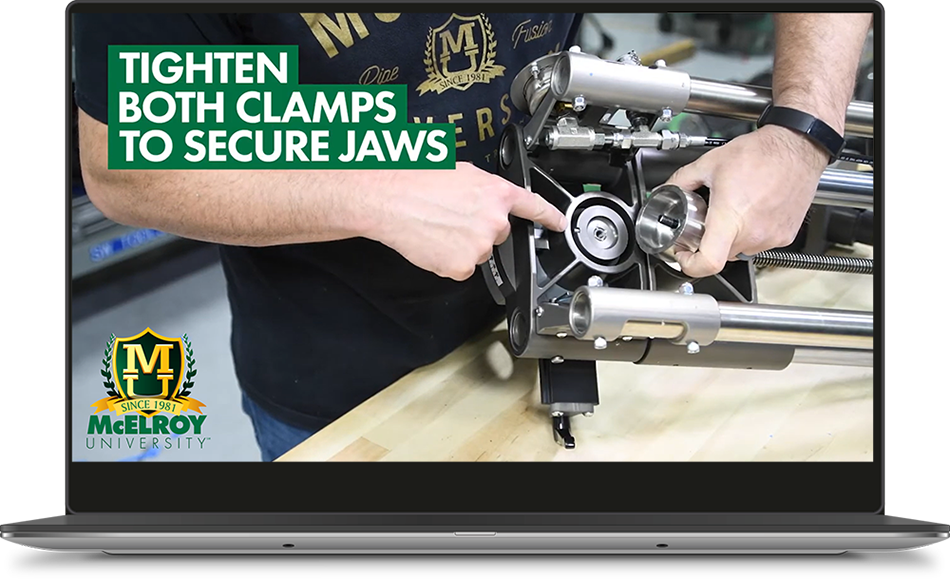
“Not everyone’s a good lecturer. They might be fantastic in front of the machine, but not necessarily good classroom people.”
Paul Brodsky, McElroy University
From 7 courses to 75
Once the hybrid model was in place, demand began to pull the program forward.
Engineers wanted understanding without hands-on operation. Municipalities wanted structured introductions. Maintenance teams wanted something better than scattered YouTube videos. Distributors wanted faster onboarding for new technicians.
McElroy University responded by expanding its catalog and offering learning in multiple formats, including online-only, hybrid, and select in-person experiences for deeper dives, plus a continuously growing micro-learning library that delivers just-in-time training on the job site.
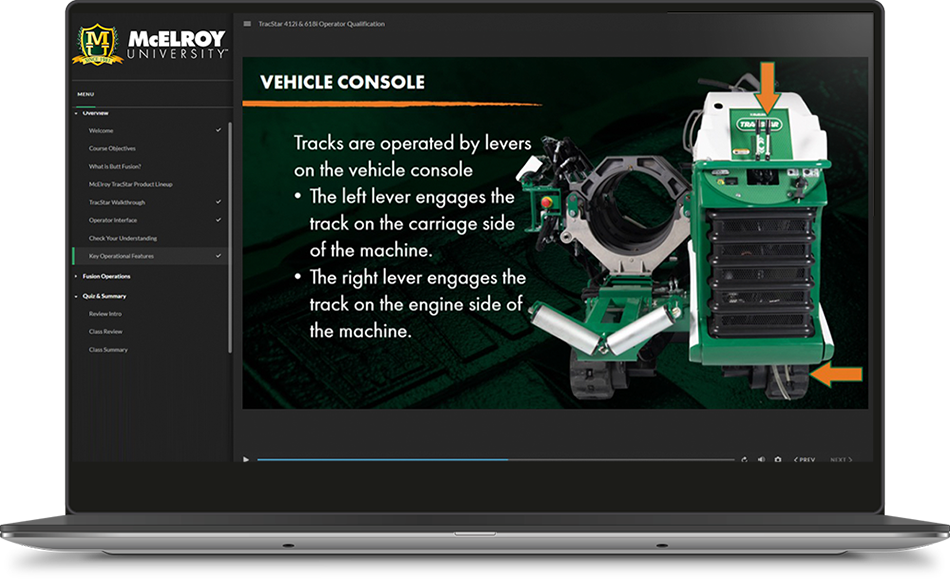

Through its partnership with Asahi/America, McElroy University launched a dedicated learning portal powered by Pifini Learn and now co-manages the system with Asahi’s team. That meant adapting McElroy University’s existing courses and developing new training built specifically for Asahi’s audience and goals. The impact has been strong enough that Asahi has already requested additional content on a planned schedule extending into 2027.
What Challenges Emerged and How Were They Solved?
The challenges McElroy University faced, and how they were overcome.
The first challenge was cultural.
Before COVID, many learners were skeptical of online training. They worked in the field and did not see themselves as “online learners.” McElroy University approached this carefully, launching early courses in late 2017, gathering feedback, and refining the experience. By 2018, they committed fully to the hybrid model. COVID later accelerated acceptance, but the strategy was already in motion.
Then a new challenge emerged: scale.
Demand continued to rise. New products required new training. McElroy expanded into new markets with different audiences and expectations. At the same time, the number of external instructors grew dramatically, from a few dozen to nearly 100. Keeping content current, consistent, and accessible across that network became the dominant challenge.
“The biggest challenge has been keeping up with the pace of the demand.”
Paul Brodsky, McElroy University

Pifini Learn is the LMS within the Pifini suite of learning products, built specifically for external training programs. It supports customer and partner learning at scale, including hybrid delivery, expanding catalogs, and unpredictable learner volumes. For McElroy University, Pifini Learn provided an enterprise-grade foundation that grows with demand while remaining flexible and easy to manage for a lean training team.
The Training Network That Never Sleeps
McElroy and the United Association: a partnership that scales opportunity.
There is something powerful that happens when a manufacturer decides not just to sell equipment, but to teach it. The United Association (UA) represents roughly 394,000 plumbers, pipe fitters, sprinkler fitters, HVACR service technicians, welders, and pipeline professionals across the United States and Canada. It is one of the most influential skilled trades organizations in North America. When they think about training, they think at scale.
How the partnership started
In 2018, UA Canada approached McElroy with a clear goal: ensure that UA members across Canada had direct access to manufacturer-backed training on McElroy equipment and curriculum. Not occasional access. Not regional access. Direct access.
What they built together
Together, they built something deliberate. A training program designed specifically for UA members: McElroy equipment at every Local across Canada. Authorized instructors at every Local, specifically trained on McElroy systems. Training delivered by UA instructors using McElroy equipment and materials. This was not a one-off seminar. It was infrastructure.
Why it matters It means
UA members can be trained before jobs arise or quickly up-skilled locally when opportunities appear. It means the training carries manufacturer credibility in the field. It means each Local now has the resources to train independently and consistently, without waiting on outside scheduling or centralized bottlenecks.
The result so far
Over time, the program has grown into a strong success story. UA training centers in Canada are now equipped with the tools and expertise needed to prepare members for real-world job opportunities using McElroy products. But here is where the story connects to McElroy University and the broader strategy. When you have a scalable learning system like Pifini Learn supporting McElroy University, partnerships like this do not remain isolated wins. They become repeatable models. They become frameworks that can expand.
What’s next
Today, McElroy is in the process of expanding this program to make it accessible to every UA Local throughout the United States, more than 300 across North America. That is the difference between a training event and a training ecosystem.

UA training centers in Canada are now equipped with the tools and expertise needed to prepare members for real-world job opportunities using McElroy products.
What Impact Did the Program Have?
The measurable results that McElroy University achieved
Extended Enterprise Learning Results
McElroy University’s Key Achievements

McElroy University measures success through engagement and capability, not just revenue.
- The results speak clearly. From 2017 to 2025:
- The number of students trained doubled.
- Course enrollments increased by 465%.
- Unique learners increased 101%.
- Operator qualifications increased by 617%.
- Certified McElroy Instructors grew by 500%.
Paul was careful to add context. Enrollment growth reflects a broader catalog and more targeted learning options. That is not inflation. It is evidence that learners are engaging more deeply and more often.
“I don’t want to oversell it, but the impact has been pretty significant.”
Paul Brodsky, McElroy University
What’s Next?
The lessons learned and where McElroy University is headed.
McElroy University’s future isn’t about reinvention—it’s about building on what works.
As it grows, the focus remains clear: meaningful education, trusted partnerships, and expert-driven learning that extends beyond the classroom.
McElroy University isn’t just expanding its training—it’s evolving with the industry and helping shape how the thermoplastic pipe market learns and advances.
Next phase priorities:
- Expand the course library
- Grow Pifini Learn portals for partners
- Increase micro-learning and point-of-work training
- Strengthen sales training for new markets
Demand for dedicated Pifini Learn portals from partners and distributors signals a shift: training is now a strategic asset.
The impact is clear—stronger onboarding, better baseline knowledge, and faster readiness for new products.
What began as a scalability solution is now a model for industry leadership.
The path forward isn’t just bigger—it’s smarter, more accessible, and more embedded in how the industry grows.
“We’re getting calls saying, ‘Your training is so awesome. Can you also become our content creators?’”
Paul Brodsky, McElroy University
Key Takeaways
- McElroy University scaled training by focusing on accessibility, consistency, and time back in the field.
- Hybrid learning worked because online handled the lecture and in-person handled the hands-on work.
- Choosing a technology partner that could flex, scale, and support the team was essential.
- Standardization became essential as external instructors expanded.
- Engagement and qualifications grew as training became easier to access.
Frequently Asked Questions
Who is McElroy?
McElroy is a manufacturer known globally for thermoplastic pipe fusion equipment and related industrial machinery.
What is McElroy University?
McElroy University is McElroy’s training organization, established in 1981, serving distributors, contractors, equipment owners, inspectors, engineers, municipalities, and technical schools.
Why did McElroy University move to hybrid learning?
To expand access, improve consistency, and reduce time away from the field. What does hybrid mean in this context? Online learning delivers foundational knowledge, while in-person sessions focus on hands-on instruction and qualification. This is sometimes referred to as blended learning.
What results has McElroy University achieved?
Engagement more than doubled, unique learners increased 101 percent, and course enrollments grew 465 percent.
What were the biggest challenges?
Early skepticism about online learning and the ongoing challenge of keeping up with growing demand.
What is Pifini Learn?
Pifini Learn is an enterprise learning management system (LMS) that supports large-scale external training programs, including customer, partner, and distributor education.
Why did McElroy University choose Pifini Learn?
For its flexibility, customization, external-learner pricing model, and responsive support.
What are partner training portals?
Dedicated learning environments created for specific partners so they can manage their own specific training programs with their branding and without overlap.
What’s next for McElroy University?
Expanded micro-learning, more sales training, deeper partnerships, and continued growth of the learning ecosystem.
Ready to transform partner and sales enablement?
The lessons learned and where McElroy University is headed.
Experience the power of Pifini Learn and the broader Pifini Revenue Enablement Platform with a personalized demo tailored to your business.
See how organizations are equipping partners, sales teams, and customers with the knowledge, content, and AI-powered coaching they need to close more deals and deliver better customer experiences.